
How I Am Using Psychology to Persuade Russians of the Truth About Ukraine
TIME
By Julia Minson
April 20, 2022

Does Religion Make People More Ethical?
The Wall Street Journal
By David DeSteno
April 20, 2022

Scale Units can help make social policy less political and more scientific
The Hill
By John List and Dana Suskind
April 4, 2022

To Fight Bias, Consider Highlighting Your Race or Gender
Scientific American
By Erika Kirgios, Aneesh Rai, Edward Chang, and Katy Milkman
March 28, 2022

Having Putin as a ‘common enemy’ won’t unite Americans
Washington Post
By Adam Waytz
March 23, 2022

Cowboy Culture Doesn’t Have a Monopoly on Innovation
Scientific American
By Thomas Talhelm
February 28, 2022

Op-Ed: Deep racial inequality persists in the U.S. — but many Americans don’t want to believe it
Los Angeles Times
By Michael Kraus
February 28, 2022
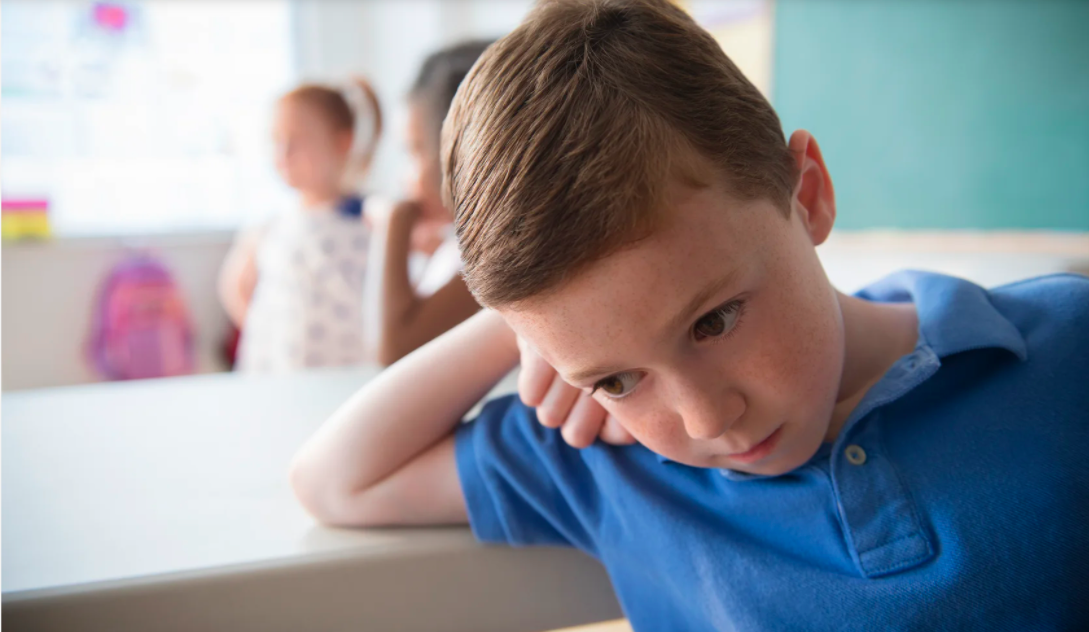
Why Kids Are Afraid to Ask for Help
Scientific American
By Kayla Good and Alex Shaw
February 15, 2022

How Our Mental Health Can Bounce Back
Slate
By George Bonanno and June Gruber
February 9, 2022

Get Comfortable with Feeling Uncomfortable
Behavioral Scientist
By Ayelet Fishbach
February 7, 2022


When Do We ‘Click’ With Someone? This Test Tells Us
The Washington Post
By Thalia Wheatley and Emma M. Templeton
January 26, 2022
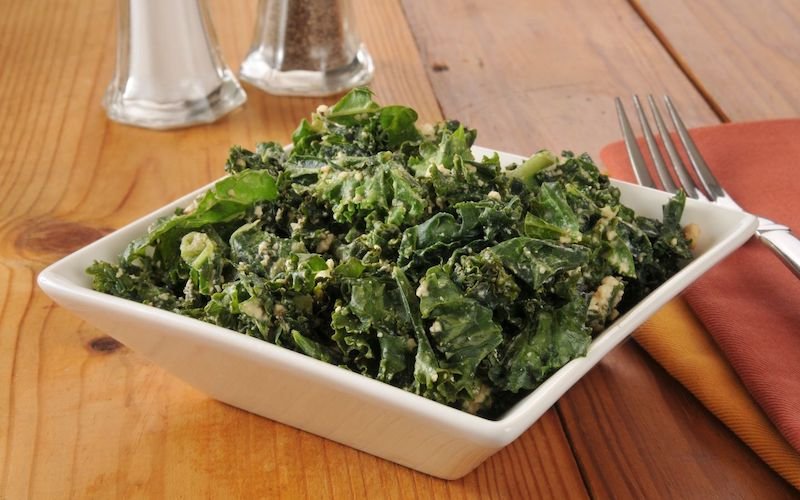
Feeding Two Birds With One Scone
The Boston Globe
By Ayelet Fishbach and Bradley Turnwald
January 15, 2022

We Found the One Group of Americans Who Are Most Likely to Spread Fake News
POLITICO
By Hemant Kakkar and Asher Lawson
January 14, 2022

New Year’s Resolutions Are Notoriously Slippery, but Science Can Help You Keep Them
Scientific American
By Katy Milkman
January 11, 2022


Our Innate Ideas Prevent Us Seeing What Is Innate in Human Nature
Psyche
By Iris Berent
December 14, 2021

People Love the Brain for the Wrong Reasons
Scientific American
By Iris Berent
December 10, 2021
How the Wisdom of Crowds Could Solve Facebook’s Fact-Checking Problem
TIME
By Jennifer Allen and David Rand
December 6, 2021